



Jadeite Crystal and Nephrite: How to Tell Them Apart
Table of Contents
This practical guide explains how to easily tell jadeite crystal apart from nephrite rock without complex technical equipment. You will learn how to observe their luster, density, and signature natural hues. Follow our clear tips to identify a genuine gem and enrich your daily life with wholesome, authentic crystal jewelry.
Introduction
Discovering jadeite crystal often sparks many questions among beginners passionate about minerals. For a very long time, the generic term jade grouped two completely distinct mineral species under a single everyday name. Yet modern mineralogy clearly distinguishes fibrous nephrite from true crystalline jadeite. Each of these two crystals possesses a specific chemical formula that shapes its everyday visual appearance. Understanding their fundamental geological characteristics makes it easy to identify your favorite mineral. This simple guide walks you through step by step so you can appreciate the serene beauty of every natural mineral creation.

Origins and Formation of Jadeite Crystal
Understanding the genesis of jadeite crystal helps you better appreciate its fascinating history through the ages. Earth's tectonic forces shape each deposit under very specific conditions of geological temperature and pressure.
The Mineral Structure of Jadeite Crystal
Jadeite crystal belongs to the major mineral family of pyroxenes rich in sodium and aluminum. Its formation takes place during intense metamorphism deep within Earth's tectonic subduction zones. Researchers at the National Museum of Natural History often highlight the rarity of these specific geological environments. The crystals arrange themselves into a compact granular network that gives the mineral excellent overall durability. This tight internal architecture pleasantly holds natural light to produce a uniquely prized luster.
Nephrite, by contrast, comes from the mineral family of amphiboles rich in calcium and magnesium silicate. Its internal structure features a felted interweaving of microscopic fibers that are remarkably flexible and dense under carving tools. This fibrous arrangement prevents the material from snapping cleanly under the pressure of an accidental direct impact. Nephrite rock thus withstands physical shocks with remarkable endurance recognized for millennia. Both crystals therefore possess completely distinct chemical signatures that are easy to differentiate in a scientific laboratory.
Extraction Zones for Jadeite Crystal
Natural deposits producing jadeite crystal are concentrated primarily in northern Myanmar (Burma). For centuries, the mountainous Kachin region has supplied blocks remarkable for their mineral purity. Renowned secondary veins are also found in Guatemala, the traditional cradle of ancient Mesoamerican peoples. Notable discoveries occasionally occur in isolated rock pockets in Japan or the United States. These supply sources remain rare and require particularly meticulous extraction work by local miners.
Nephrite rock, meanwhile, develops across many geographical regions around the globe. Vast alluvial reserves stretch across western China, notably along the rivers of Hotan. Modern mines in Canada and Russia also supply large quantities of green raw material. New Zealand likewise mines this traditional rock, which Māori communities proudly call pounamu in their language. This global abundance makes nephrite widely accessible for carving beautiful decorative objects for the home.
The Cultural History of Jadeite Crystal
The use of jadeite crystal spans ancient civilizations that attributed great symbolic value to it. In Central America, Mayan artisans carved ritual masks to honor the cosmic breath of life. They often preferred this green material over precious metals for crafting sacred ornaments worn during ceremonies. In Asia, millennia-old tradition associated virtues of moral purity and inner harmony with this mineral. Wearing such a natural crystal represented a pledge of wisdom and peace for the everyday wearer.
For centuries, nephrite was the sole variety worked by sculptors in imperial China. Artists carved ritual discs symbolizing heaven as well as refined vessels for tea. The late arrival of Burmese blocks in the eighteenth century marked the beginning of a new ornamental era. Local artisans immediately embraced this more translucent material to craft remarkably fresh jewelry pieces. Even today, this centuries-old history inspires lovers of balanced, meaningful natural objects.
Physical Properties of Jadeite Crystal
Observing the immutable physical characteristics of jadeite crystal is the best way to avoid common confusion. Several simple criteria make it possible to tell the two minerals apart without resorting to complex industrial equipment.
Measured Hardness of Jadeite Crystal
The Mohs scale assigns jadeite crystal a solid rating between 6.5 and 7. This mineral firmness allows it to easily scratch a standard glass plate without sustaining any damage. Nephrite sits slightly lower, with a typical hardness rating between 6 and 6.5. This subtle difference gives jewelry carved from pyroxene excellent protection against everyday micro-scratches. Your jewelry thus retains its original polish much longer despite repeated friction against your clothing.
Mechanical toughness represents a physical concept completely distinct from simple surface hardness against abrasion. In this specific area, the fibrous structure of nephrite surpasses that of almost every other terrestrial mineral. It absorbs the energy of a direct impact without splitting thanks to the dense felting of its micro-needles. The pyroxene variety nevertheless remains very robust and is ideally suited to crafting finely polished bangles. Both materials demonstrate wonderful natural longevity when cared for thoughtfully.
Specific Gravity of Jadeite Crystal
Measuring the specific gravity of jadeite crystal yields a reliable result without damaging the raw specimen. The specific gravity of this mineral ranges very precisely between 3.24 and 3.38. Nephrite rock is noticeably lighter, with a typical measurement established between 2.90 and 3.03. Gemologists use this physical contrast to instantaneously separate questionable pieces. This measurement relies on a standard hydrostatic scale that any informed enthusiast can set up at home.
In practice, this difference in density can be felt distinctly in the palm of your open hand. When you weigh two specimens of identical volume, the pyroxene gives a more substantial sense of weight. This characteristic tactile impression often helps enthusiasts during their first visits to mineral shows. A synthetic imitation made of lightweight plastic or resin, by contrast, will feel abnormally hollow and warm to the touch. Taking the time to heft your crystals therefore prevents common disappointments when facing crude imitations.
Optical Luster of Jadeite Crystal
Light refraction on jadeite crystal immediately reveals the nature of its polished mineral grain. After careful grinding and buffing, its surface reflects a crisp, sparkling vitreous luster. Nephrite rock, on the other hand, diffuses a softer glow often described as resinous, greasy, or waxy. This distinct optical phenomenon completely transforms the visual appearance of your jewelry under the morning sun. The former radiates a vivid mineral freshness, while the latter evokes the softness of silk.
Translucency is another decisive visual factor in assessing the aesthetic quality of a fine natural specimen. The finest pieces let ambient light filter through with a homogeneous texture reminiscent of icy water. Nephrite usually retains a more pronounced natural opacity due to its network of intertwined fibers. You can observe this relative transparency by placing a small flashlight directly behind the carved material. This basic optical test illuminates the depth of the crystal and reveals its charming internal geological marbling.
Colors and Shades of Jadeite Crystal
The rich chromatic palette of jadeite crystal immediately captivates the eye with its remarkable natural variety. Contrary to popular belief, green minerals represent only a fraction of the shades created by the Earth.
The Color Spectrum of Jadeite Crystal
True jadeite crystal flourishes in an endless array of colors born from the presence of chemical trace elements. The subtle presence of chromium produces intense, fresh green hues that evoke spring forests. Manganese gives rise to delicate lavender highlights that bring a poetic pastel softness to jewelry pieces. Iron, for its part, produces warm tones ranging from luminous straw yellow to orange ocher. This magnificent visual diversity allows everyone to find the exact shade that matches their personality.
Nephrite rock offers a more classic palette of natural colors dominated by muted olive-green tones. Mineralogists also prize very pure white varieties traditionally compared to the soft texture of mutton fat. Occasionally, deep, even black specimens are found that lend themselves admirably to figurative carving. However, nephrite never produces those enchanting lavender glints or emerald greens of flawless transparency. Pyroxene remains the ideal choice if you wish to wear vivid, varied shades every day.
The Impact of Inclusions in Jadeite Crystal
Natural inclusions present in jadeite crystal faithfully attest to its geological authenticity over artificial imitations. Tiny crystal growth veils often run through the interior of the mineral without ever compromising its mechanical strength. These delicate patterns tell the story of the slow tectonic movements that preserved the rock over millions of years. A natural gem almost never displays a completely uniform color across its entire polished surface. These slight variations in saturation add unique organic charm to every pendant carved by human hands.
Conversely, synthetic pieces made of molded glass often display round air bubbles visible under a loupe. Chemical imitations also exhibit overly uniform coloring that sorely lacks relief and true vitality. Experts at the Gemological Institute of America warn against overly flawless minerals sold without certification. Learning to appreciate these small internal singularities allows you to admire the authentic beauty created by nature itself. Each inclusion thus becomes a mineral fingerprint impossible to replicate identically through industrial means.
Choosing Your First Jadeite Crystal
Selecting your very first jadeite crystal should above all be based on a harmonious, genuine visual connection. Let your intuition guide you toward the color tone that resonates most with your state of mind. Some prefer the refreshing vibrancy of apple green, while others find calm in a misty white hue. It is always best to favor an undyed crystal that keeps its energetic signature completely intact. A wholesome mineral brings renewed pleasure every time you rest your eyes on its smooth texture.
Take the time to inspect the polish finish and the smoothness of the contours against your skin. A well-crafted crystal comfortably follows the lines of your body to accompany you throughout the day. Feel free to ask about the origin of the mineral to verify the store's commitment to quality. Choosing ethical, well-designed jewelry turns a simple purchase into a true ritual of personal serenity. The gem then becomes a faithful crystal companion that discreetly brightens your everyday outfits.

Easy Care for Your Jadeite Crystal
Caring for your jadeite crystal requires simple, gentle habits to preserve its original luminous luster. A few common-sense practices are all it takes to protect its polished surface from the wear and tear of modern life.
Periodic Cleaning of Jadeite Crystal
Jadeite crystal cleans very easily with a little lukewarm demineralized water and mild plant-based soap. Simply use a small, ultra-soft brush to remove dust lodged around the setting. Brush gently without ever applying excessive pressure to the metal prongs holding the polished gem in place. Next, rinse your jewelry with clean water to remove all soap residue from the mineral surface. Finally, dry the piece with a soft, lint-free cloth to immediately reveal its lovely original shine.
Strictly avoid ultrasonic cleaners, which generate vibrations capable of weakening internal atomic bonds. Hot steam cleaners also cause sudden thermal shocks that can open up invisible ancient geological micro-fissures. Likewise, avoid harsh chemicals such as bleach, pool chlorine, or household solvents. These abrasive substances risk permanently dulling the satin luster by attacking the polished surface of your precious mineral. Gentle hand washing remains the safest method for maintaining your jewelry with complete peace of mind.
Protective Storage for Jadeite Crystal
To store your jadeite crystal properly, keep it in an individual pouch made of soft fabric or thick velvet. This basic precaution prevents repeated friction against harder jewelry set with sapphire or quartz. Two minerals rubbing against each other in a box can create tiny scratches on their respective surfaces. Lay your pendants flat to keep metal chains from scratching the heart of the gem. This simple habit preserves the satin smoothness of your jewelry for many years without any effort.
Also remember to remove your rings and bracelets before doing messy manual chores or DIY projects. A sharp impact against a rough metal surface could chip a polished edge of your favorite natural jewelry. Similarly, place your ornaments on your nightstand before starting a long workout session. Skin perspiration and friction against gym equipment are unkind to delicate settings. Taking care of your crystal pieces prolongs their soothing presence by your side for years to come.
Everyday Precautions for Jadeite Crystal
Regularly wearing a jadeite crystal poses no special risk, but it does call for a touch of mindfulness in the morning. Always apply your skincare creams and favorite perfumes before slipping your pendant around your neck. The alcohol contained in cosmetic fragrances can dull the surface polish of the material over time. Let your beauty products dry for a few minutes so that your skin is completely dry to the touch. This morning habit prevents chemical buildup from accumulating unnecessarily in the crevices of fine carved engravings.
Also protect your crystal from prolonged exposure to scorching sun on the beach during summer vacations. Excessive, continuous heat can sometimes dry out the mineral structure and slightly dull its overall translucency. When traveling, carefully wrap each ornament in a padded pouch at the bottom of your suitcase. These small gestures of care reflect the respect you hold for this authentic gift from the Earth. Your natural jewelry will reward you by retaining all its soothing coolness to accompany your peaceful days.
Conclusion
Knowing how to tell these two historic minerals apart relies on attentive observation of their hardness, density, and luster. While nephrite charms with its high impact resistance, pyroxene fascinates with its translucency and luminous reflections. By learning to examine the internal nuances of a genuine mineral, you can easily avoid common market mix-ups. Embracing an untreated crystal ornament brings a natural, calming touch to your everyday wardrobe. To enrich your daily life with an authentic piece, explore the jewelry collection at the Moment Ici boutique today.
FAQ
How can I spot a fake gem at home?
A fake resin piece immediately feels lightweight in the hand and often shows tiny round bubbles under the light.
What is the hardness difference between the two crystals?
Jadeite has a higher hardness on the Mohs scale, making it more scratch-resistant than nephrite.
Can I wear this natural jewelry in the shower?
It is best to remove your jewelry so industrial soaps and limescale do not dull its polish.
What is the most common natural color?
Light green is the most widespread shade, though white, yellow, and lavender tones are also found.
Where can I find authentic, verified creations?
You can discover certified natural creations by browsing the curated catalog at the Moment Ici online boutique.
Read more
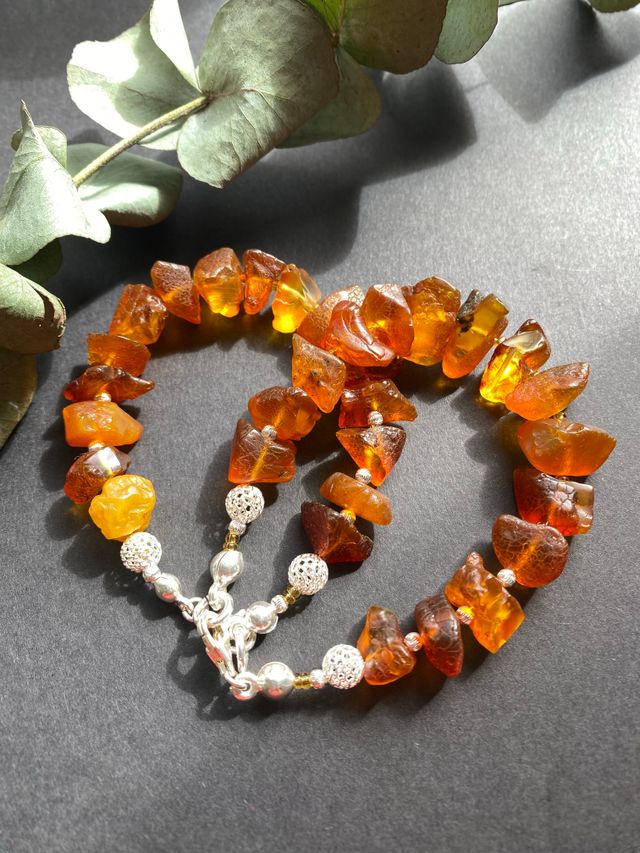
An amber bracelet enhances the wrist with its warm reflections while radiating beneficial vital energy. From refined color pairings to crystal healing synergies, this expert guide reveals every sec...
Identifying real jadeite becomes approachable thanks to simple, risk-free observation methods. This practical guide details internal textures, mineral heft, and commercial pitfalls to avoid. Choose...
Leave a comment
This site is protected by hCaptcha and the hCaptcha Privacy Policy and Terms of Service apply.