

Heart Symbol: Meaning, History, and Sentimental Jewelry
Introduction
If there's one symbol capable of transcending linguistic and cultural barriers, it's the heart symbol. Present on every continent and throughout history, it embodies pure emotion, affection, and, of course, universal love. Yet, its current form is far removed from the anatomical reality of the organ it is supposed to represent. At Moment Ici, we believe that wearing a piece of jewelry adorned with this motif is an act of celebrating life and the bonds that unite us with others. Beyond a simple adornment, sentimental jewelry serves as a vessel for our most cherished memories and our tenderest intentions. This guide explores the fascinating evolution of this symbol through the ages, its profound meaning in modern jewelry, and the emotional power it bestows upon those who wear it daily. To understand the history of the heart is to rediscover the magic of offering a fragment of one's soul in the form of a precious and eternal object.

The Historical Evolution of the Heart Symbol
The shape we know today did not appear by chance. It is the result of a slow iconographic transformation rooted in antiquity and botany, before becoming the center of piety and courtesy.
Ancient and Botanical Origins
In antiquity, the stylized heart shape was not associated with the human organ, but with plants symbolizing fertility and fidelity. Ivy leaves, known for their longevity and ability to cling to their support, are often cited as the visual ancestors of the heart symbol. Another fascinating theory traces back to the city of Cyrene, where silphium, a plant used as a natural contraceptive, had seeds whose shape strangely resembled the drawing we use today. These botanical representations gradually infused decorative art, linking this specific silhouette for the first time to the concepts of desire and lasting relationships.
The Middle Ages and Religious Iconography
It was from the Middle Ages that the heart truly began to represent the seat of emotions and spirituality. Initially, doctors and artists depicted it with the point facing upwards, but the influence of the Catholic religion radically changed its perception. The cult of the Sacred Heart, symbolizing divine love and sacrifice, popularized the image of the heart turned downwards, often surrounded by flames or thorns. At the same time, the rise of courtly love transformed this religious symbol into an emblem of human passion. Knights and troubadours adopted the heart symbol to signify their absolute devotion to their lady, thus definitively anchoring this motif in the realm of romanticism.
Modern Standardization and Jewelry
With the invention of playing cards in the Renaissance and the rise of printing, the heart was standardized into the symmetrical, red shape we use today. During the Victorian era, jewelry became the privileged medium for this symbol. Artisans began to create heart-shaped lockets and brooches, often embellished with engravings or braided hair of a loved one. This period marked the birth of sentimental jewelry as we know it, objects whose value lies less in the materials used than in the message of affection they convey between two beings.

The Emotional Power of Sentimental Jewelry
Wearing jewelry is never an insignificant act, especially when it bears the sign of love. The jewel becomes a talisman, an extension of our own story, and a shield against loneliness.
Jewelry as an Extension of Feeling
The essence of sentimental jewelry is to materialize the invisible. When we wear a heart-shaped pendant or ring, we keep close to us the presence of the person who gave it to us or the intention we placed in it. For many people, this piece of jewelry acts as an emotional anchor in moments of doubt or separation. It is no longer just a fashion accessory, but a vibrational companion that warms the heart both literally and figuratively. This physical connection with the symbol strengthens the feeling of security and belonging, essential for psychological balance.
Natural Stones in Service of Love
At Moment Ici, the association of the heart with natural stones multiplies the power of the jewelry. Rose quartz, for example, is the stone of absolute tenderness and emotional healing. Cut into a heart shape, it diffuses an unparalleled energy of peace and self-acceptance. Similarly, amethyst or labradorite can bring a spiritual and protective dimension to the symbol of love. Choosing a specific stone to adorn a heart allows for the customization of the energetic message of the jewelry, transforming it into a tailored lithotherapy tool that accompanies every beat of its wearer's life.
Giving a Heart: A Universal Language
Giving a heart is undoubtedly the most eloquent gesture there is. It is a promise, a thank you, or a proof of friendship that requires no explanation. In a family context, a piece of jewelry adorned with the heart symbol can celebrate the birth of a child or the unbreakable bond between a mother and her daughter. In a romantic relationship, it marks important milestones and deep commitments. It is this versatility that makes this type of gift so precious. By choosing a model from Moment Ici, you are offering more than just an object; you are offering a part of beauty and kindness that will continue to shine long after the moment of giving.
Conclusion
The heart symbol remains the most vibrant testimony to our need for connection and tenderness. From its ancient botanical roots to its majestic presence in modern jewelry displays, it has adapted without ever losing its evocative power. Wearing sentimental jewelry means choosing to proudly display your values of kindness and love. At Moment Ici, we are proud to perpetuate this tradition by offering creations that combine the beauty of natural stones with the depth of this eternal motif. Whether you are looking to treat yourself or to mark a life event, the heart remains the surest ally of your elegance and serenity. Let this symbol guide your steps and illuminate your daily life with a gentle and protective light, because in the end, only the love we give and receive defines the richness of our existence.
ppp
FAQ: 10 Questions on the Heart Symbol and Sentimental Jewelry
-
Why doesn't the heart symbol resemble the human organ? The current design comes from the stylized evolution of ancient ivy leaves or silphium seeds, prioritizing aesthetics and the symbolism of fertility over anatomical medical precision.
-
What is the best occasion to give sentimental jewelry? All significant life stages are suitable: a birthday, a birth, a personal achievement, or simply to express sincere gratitude to someone who matters to you every day.
-
Which natural stone pairs best with the heart symbol? Rose quartz is the quintessential choice for tender love, but garnet symbolizes passion, while labradorite brings a dimension of protection necessary in sensitive relationships.
-
What does a heart worn on the wrist mean compared to on the neck? Worn on the wrist, the heart accompanies your daily actions and creativity. Near the neck, it is located at the heart chakra level, promoting a more intimate and profound emotional connection with oneself.
-
Can men wear jewelry with the heart symbol? Absolutely, the heart is a universal symbol of emotional strength and attachment. Many men wear engraved signet rings or discreet pendants as a testament to their family or romantic bonds.
-
How do I care for a natural stone heart pendant? It is advisable to clean it with a soft cloth and clear water, then to energetically recharge it in moonlight or on a quartz cluster to preserve its virtues.
-
What is the meaning of intertwined hearts in jewelry? The intertwined hearts motif symbolizes eternal union, the fusion of two souls, and the impossibility of breaking a sacred bond, whether it be romantic, friendly, or even filial and fraternal.
-
Does the heart symbol have a different meaning depending on its color? Yes, red remains the symbol of passion, pink that of tenderness, white represents the purity of feeling, and blue often evokes wisdom and lasting fidelity.
-
Where does the tradition of "heart" lockets opening to a photo come from? This tradition became popular in the Victorian era to allow secretly keeping the image of a loved one close, thus creating a constant physical link with the memory.
-
Can wearing heart-shaped jewelry help with self-love? In lithotherapy, wearing this symbol helps to open the heart chakra, facilitating the acceptance of one's own emotions and strengthening kindness towards oneself, the first step towards personal fulfillment.
Read more
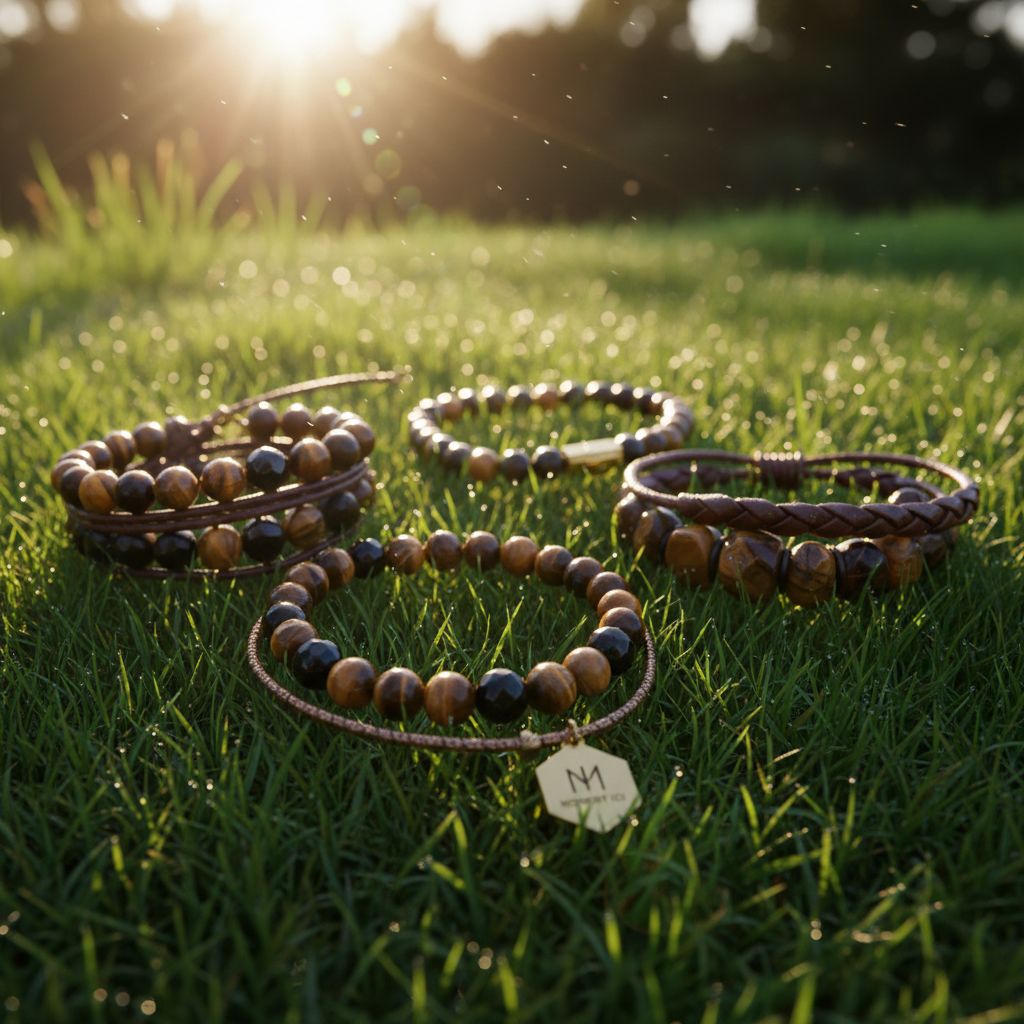
Why is the tiger's eye bracelet the perfect gift for men? Between raw strength and sun protection, discover how this accessory enhances the masculine wrist. Explore current trends, from the adventu...
The heart necklace is much more than a piece of jewelry; it's an emotional talisman. Whether to seal a romantic commitment or honor a sincere friendship, discover how this universal symbol, combine...
Leave a comment
This site is protected by hCaptcha and the hCaptcha Privacy Policy and Terms of Service apply.