

Plants and Feng Shui
Feng Shui is a Chinese method comprising a multitude of rules that help create harmony between an individual and their environment. Its two main foundations are the balance of Yin and Yang in the home, achieved through the proper use of the five fundamental elements of this practice: metal, fire, water, wood, and earth.
Why are plants important in Feng Shui practice?
In Feng Shui, plants can symbolize wood and earth. They are symbols of growth and renewal, reflecting strength and vitality. Their colors and natural powers purify oxygen and bring positive energy, both mental and physical, to the individual.
Nature is man's best friend. Having a living plant in your home according to Feng Shui rules can only be beneficial.
Which plants to avoid and which to use in Feng Shui?
Plants to avoid are very easy to recognize. Feng Shui aims to bring well-being and freedom to a person in their home. Therefore, any plants with sharp features do not align with Feng Shui. Here are some examples:
- Plants with pointed leaves, such as: snake plant (Sansevieria).
- Plants with thorns, such as: cactus.
- Plants that live in narrow pots, such as: Bonsai.
- Plants with dead leaves: regular plant maintenance helps circulate good energy in the home.
Caution: some thorny or pointed-leaf plants are recommended for your home, such as Aloe Vera. This plant attracts fortune if well-maintained. Therefore, it is important to research before banning certain plants.

Furthermore, here are some plants that promote the circulation of good energy in your home:
- Bamboo: this is a very easy plant to maintain. It has the power to bring you luck.
- Holy Basil: it purifies the interior of the house, as well as the person who touches it.
- Jade Plant: this plant brings wealth and has a depolluting effect on your interior.
- Sage: this plant is perfect for people suffering from stress and anxiety.
- Money Plant: it brings you wealth and prosperity.


To identify plants suitable for Feng Shui, opt for plants with round leaves or medicinal properties. These plants generally emit the purest and most positive energies.
Which flowers to avoid and which to use?
Like green plants, flowers have a great impact on the balance of Yin and Yang. They add a touch of color to the home to make it more vibrant and cheerful.
Similarly to plants, dead or wilted flowers are strictly forbidden in Feng Shui tradition, as they symbolize sadness and bring bad luck. However, you may exceptionally keep flowers that have sentimental value for you, such as your wedding bouquet, which will make you smile when you look at it.
Plastic flowers are also accepted in Feng Shui, provided they are cleaned and dusted very often.
Here are some recommended flowers in Feng Shui:
- Orchid: this flower purifies the air by absorbing carbon dioxide. It is a symbol of perfection.
- Camellia: this magnificent flower symbolizes longevity. It brings luck, happiness, and promotes romantic relationships.
- Chrysanthemum: this is one of the most recommended flowers in Feng Shui. Its color adds life to your interior and brings you joy.
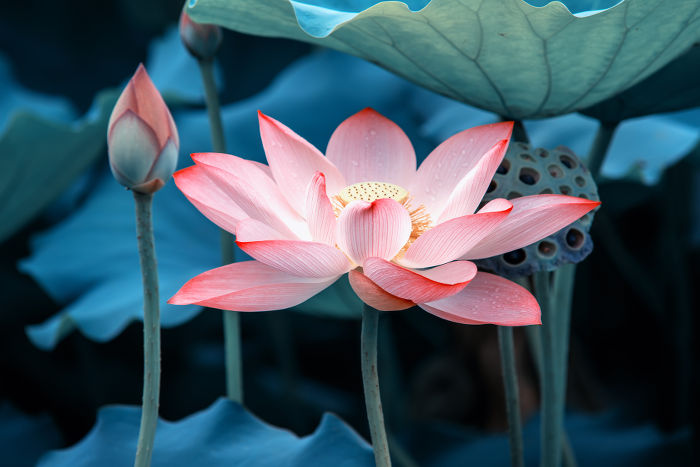
- Lotus: this flower, well-known in spirituality, brings a Zen atmosphere to your interior, making you feel in harmony with your environment.
- Magnolia: this plant helps you fulfill your wishes and realize your dreams. It is also a symbol of beauty.


Plants and flowers remain very essential elements in Feng Shui practice. Each of them has specific virtues depending on your needs.
Jewelry and natural stone decorative accessories, shaped like the mentioned flowers and plants, are also elements that bring well-being to your body and mind.
Read more
To enjoy peaceful nights again in 2026, simply adopt gentle and regular rituals. Amethyst, Rose Quartz, and Moonstone soothe the mind and stabilize emotions. The "Peaceful Nights" pouch becomes a v...
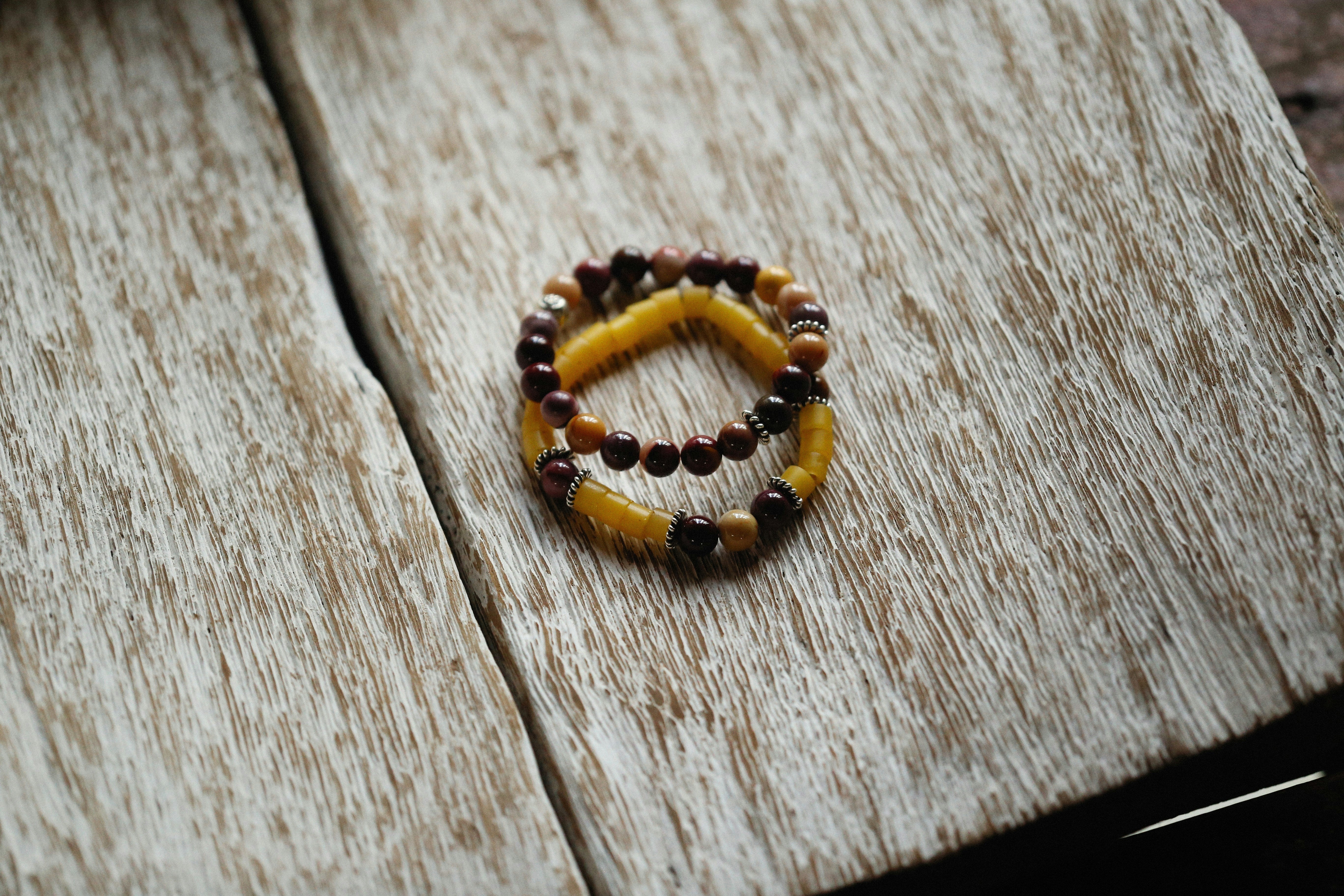
Wearing a tiger's eye bracelet isn't enough; you need to know how to use it! Discover whether to choose the left or right wrist, how to purify your natural stone, and how to program your intention....
Leave a comment
This site is protected by hCaptcha and the hCaptcha Privacy Policy and Terms of Service apply.