


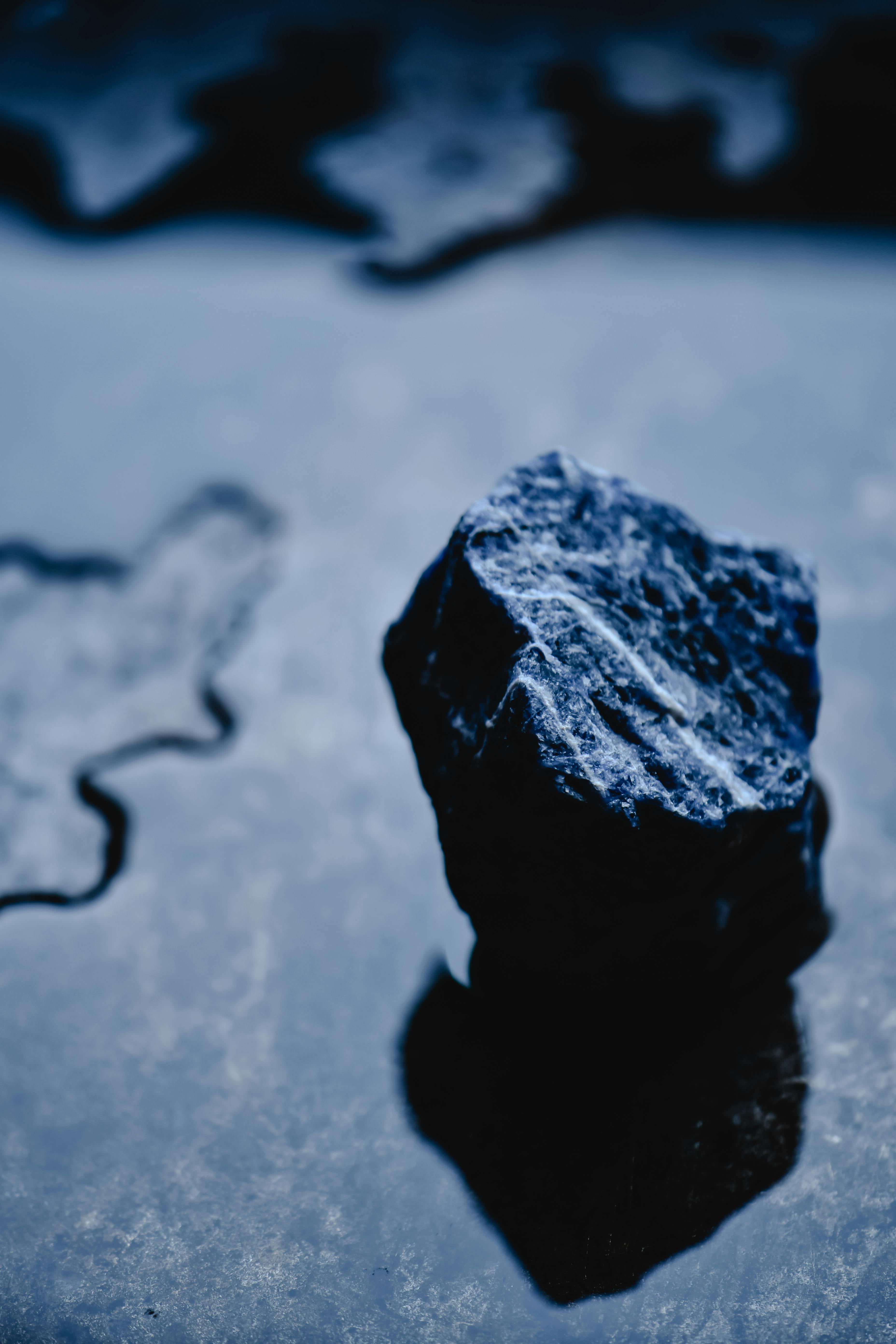
Lapis Lazuli: Meaning, Virtues, and History of the Stone of Kings
Table of Contents
Introduction
Lapis Lazuli is much more than just a natural stone; it is a true fragment of the celestial vault fallen to earth. Since the dawn of humanity, this deep blue gem, sprinkled with golden flecks of pyrite, has captivated rulers, artists, and healers. Often called the stone of kings, it has traversed eras while retaining its aura of mystery and power. This exceptional jewel is not only prized for its incomparable aesthetic beauty but also for its profound spiritual meaning and its countless lithotherapy virtues. To delve into the world of Lapis Lazuli is to embark on a journey through time, discovering the great civilizations that built our world, while exploring the depths of the human soul and the mysteries of the universe.

The Fascinating History of the Pharaohs' Stone
The historical journey of this gem is as rich as its color. Before adorning our modern necks and wrists, it traveled on the most perilous routes of the ancient world to seduce the elites of the greatest civilizations. Let's discover how this mineral forged its legend over millennia.
Distant Origins and First Extractions
The history of Lapis Lazuli begins over six thousand years ago, in the rugged and inhospitable mountains of present-day Afghanistan. The Sar-e-Sang mine, located in the remote Badakhshan region, is historically the oldest and most famous source of this precious mineral. Extraction conditions there were extremely difficult, which immediately gave this blue stone an invaluable worth, comparable to that of gold. Ancient trade routes, precursors to the Silk Road, allowed these raw treasures to be transported to the great civilizations of Mesopotamia, where Sumerians and Babylonians carved them to create cylindrical seals, amulets, and ornaments for the ruling elite. Possession of this gem was an absolute social marker, demonstrating the power, wealth, and political influence of its owner.
Lapis Lazuli in Ancient Egypt
It was truly in Ancient Egypt that Lapis Lazuli acquired its status as a sacred and divine stone. For the pharaohs, this gem represented the starry night and symbolized the power of life and immortality. It was omnipresent in funerary and religious craftsmanship. The death mask of the famous pharaoh Tutankhamun, a true masterpiece of global goldsmithery, is majestically inlaid with this stone of kings at the eyes and eyebrows, believed to guide the sovereign on his journey to the afterlife. Egyptian priests also used the powder of this gem to create medicinal ointments and cosmetics, notably eye makeup that gave royal gazes a divine intensity. Lapis Lazuli bridged human mortality and celestial eternity.
The Renaissance and the Precious Ultramarine Pigment
Centuries later, the allure of Lapis Lazuli did not wane and conquered Europe during the Renaissance. The stone then took on a revolutionary new form: it was crushed, purified, and transformed into a pictorial pigment called ultramarine blue. This pigment was so costly and difficult to produce that it was often priced higher than pure gold. The greatest masters of painting, such as Michelangelo, Leonardo da Vinci, and Johannes Vermeer, used it with immense parsimony, reserving it exclusively for the most sacred subjects, such as the mantle of the Virgin Mary. The gem thus established itself as a cornerstone of world art history.
Deep Spiritual and Symbolic Meaning
Beyond its stunning aesthetics, this mineral is imbued with a powerful mystical aura. It acts as a vector of wisdom and a revealer of the soul, guiding its wearer toward a broader understanding of themselves and the laws that govern the material and invisible universe.
A Connection with the Divine and the Universe
The meaning of Lapis Lazuli is intimately linked to its cosmic visual appearance. Its deep indigo blue represents universal wisdom, the immensity of the spirit, and the depth of reflection, while its golden pyrite inclusions evoke stars shining in the darkness. On a spiritual level, this natural stone acts as a vibratory bridge between earth and sky. It is traditionally used by mystics and spiritual seekers to facilitate the elevation of consciousness, stimulate astral travel, and access akashic records. By wearing this mineral, the individual is invited to transcend the illusions of the material world to connect with a broader universal truth.
The Symbol of Truth and Integrity
Beyond its cosmic dimension, Lapis Lazuli is globally recognized as the stone of absolute truth. This gem possesses a vibrational frequency that encourages radical authenticity, both towards oneself and others. It dispels illusions, lies, and social masks that the ego builds to protect itself. In lithotherapy, it is the ideal companion for those undertaking demanding introspection, as it helps to confront one's shadow aspects with courage and objectivity. It pushes its wearer to assert their opinions and align their actions with their deep values.
The Stone of Royalty and Power
It is not surprising that this gem has been dubbed the stone of kings. Its vibrant color naturally commands respect and admiration. Symbolically, Lapis Lazuli confers a natural authority, not based on brute force or tyranny, but on wisdom, fairness, and clarity of mind. Formerly the prerogative of rulers, this protective stone now allows each individual to awaken their own inner sovereign. It helps to take control of one's life, to assume important responsibilities with confidence, and to lead one's projects with a clear and enlightened vision.
Therapeutic and Psychological Virtues
The contemporary enthusiasm for this stone largely stems from its countless therapeutic applications. Whether to calm a troubled mind or relieve physical ailments, the vibratory radiance of this gem offers invaluable holistic support in daily life.
Soothing the Mind and Reducing Stress
In the field of lithotherapy, Lapis Lazuli is revered for its immense soothing capabilities. Its blue vibratory frequency has an immediate calming effect on the central nervous system. It is a stone of choice for people suffering from chronic anxiety, intellectual overwork, or severe insomnia. By placing this gem under a pillow or holding it in the palm of the hand during anxiety attacks, it helps to dissipate ruminating thoughts and establish deep inner peace. It acts as an emotional sponge, absorbing stress and freeing the mind from unnecessary burdens.

Improving Communication and Expression
Closely linked to the throat chakra, the energetic center of communication, this blue stone is a formidable tool for freeing speech. Shy, introverted individuals or those who have difficulty expressing their emotions find a valuable ally in Lapis Lazuli. It loosens blockages in the throat, encouraging clear, articulated, and assertive expression. Whether for speaking in public with charisma or for resolving relational conflicts through honest dialogue, this gem facilitates fluid and benevolent communication.
Relief from Physical Ailments
Although lithotherapy should never replace medical treatment, Lapis Lazuli is historically associated with the relief of numerous physical discomforts. In resonance with the ENT sphere, it is credited with the ability to soothe sore throats, calm coughing fits, and support the immune system during respiratory ailments. Furthermore, its refreshing nature is often used to alleviate persistent migraines, tension-related headaches, and to reduce fever. It is a cooling stone that combats bodily inflammation.
Conclusion
Lapis Lazuli remains one of the most fascinating and complete stones in the mineral kingdom. From ancient Egypt to modern jewelry workshops, its incredible starry beauty has continually captivated the human imagination. Whether worn for its luxurious aesthetics, to connect with its rich millennial history, or to benefit from its powerful lithotherapy virtues, the stone of kings offers benevolent and structuring support. It tirelessly invites us to seek our own truth, to communicate with integrity, and to awaken the royal wisdom that slumbers within each of us.
Frequently Asked Questions
What is Lapis Lazuli?
It is a metamorphic rock primarily composed of lazurite, calcite, and pyrite, famous for its deep blue color.
Where is this stone found?
Historical deposits are located in Afghanistan, but it is also found in Chile, Russia, and Canada.
What is the main virtue of Lapis Lazuli?
It promotes mental clarity, truth expression, and authentic communication.
Which chakra is it associated with?
This gem primarily resonates with the throat chakra and the third eye chakra.
How to purify a Lapis Lazuli?
Preferably use smudging with white sage or palo santo; avoid prolonged water exposure, which can damage it.
How to recharge this stone?
Expose it to gentle moonlight or place it on a cluster of clear quartz.
Can you sleep with this stone?
Yes, it promotes mental calm and helps to remember dreams more clearly.
Is this stone suitable for everyone?
Yes, but its power may sometimes require it to be removed if one feels too mentally stimulated.
How to recognize a real Lapis Lazuli?
Look for golden pyrite inclusions and white calcite marbling; a color that is too uniform is often a sign of imitation.
Which stones to associate it with?
It pairs perfectly with clear quartz to amplify its energy or amethyst for spirituality.
Read more
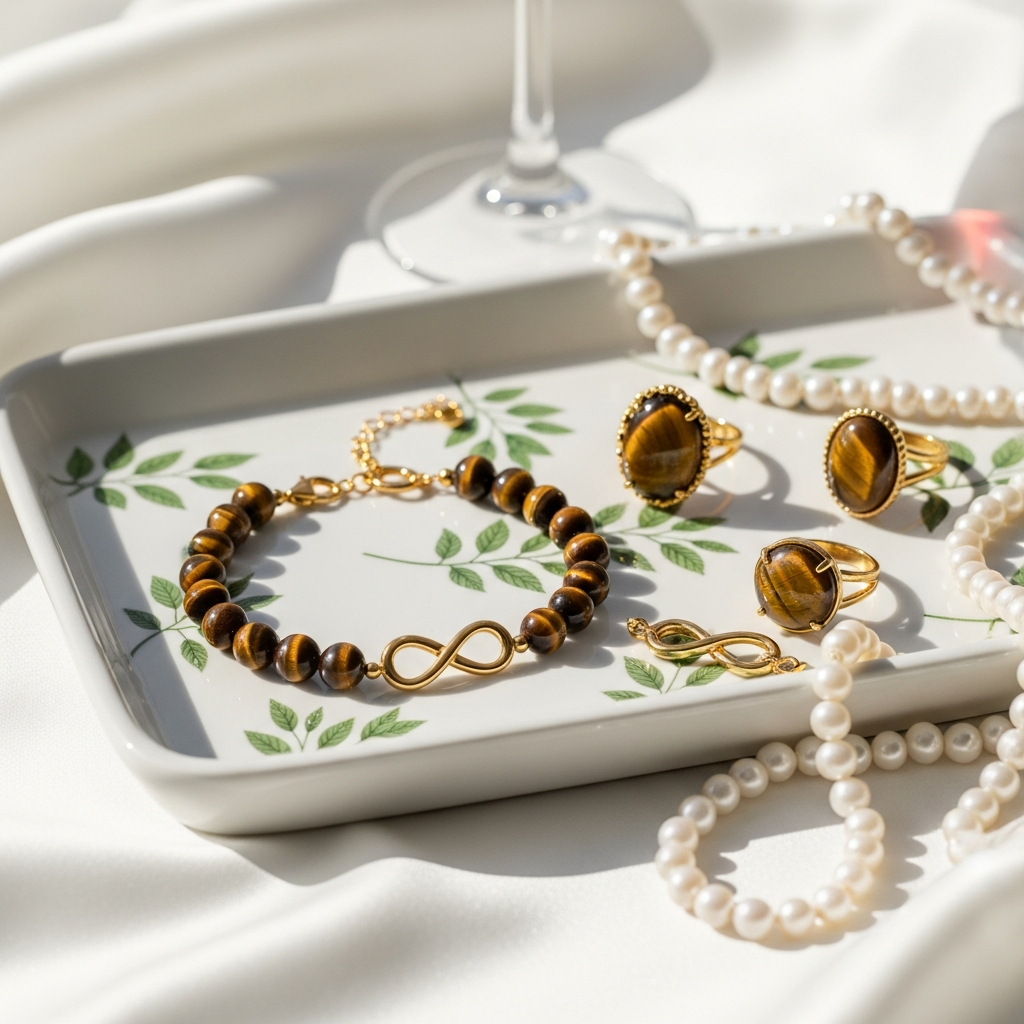
The alliance of the infinity symbol and tiger's eye creates an unparalleled vibrational force field. This guide explores how sacred geometry channels the solar power of the mirrored stone to repel ...
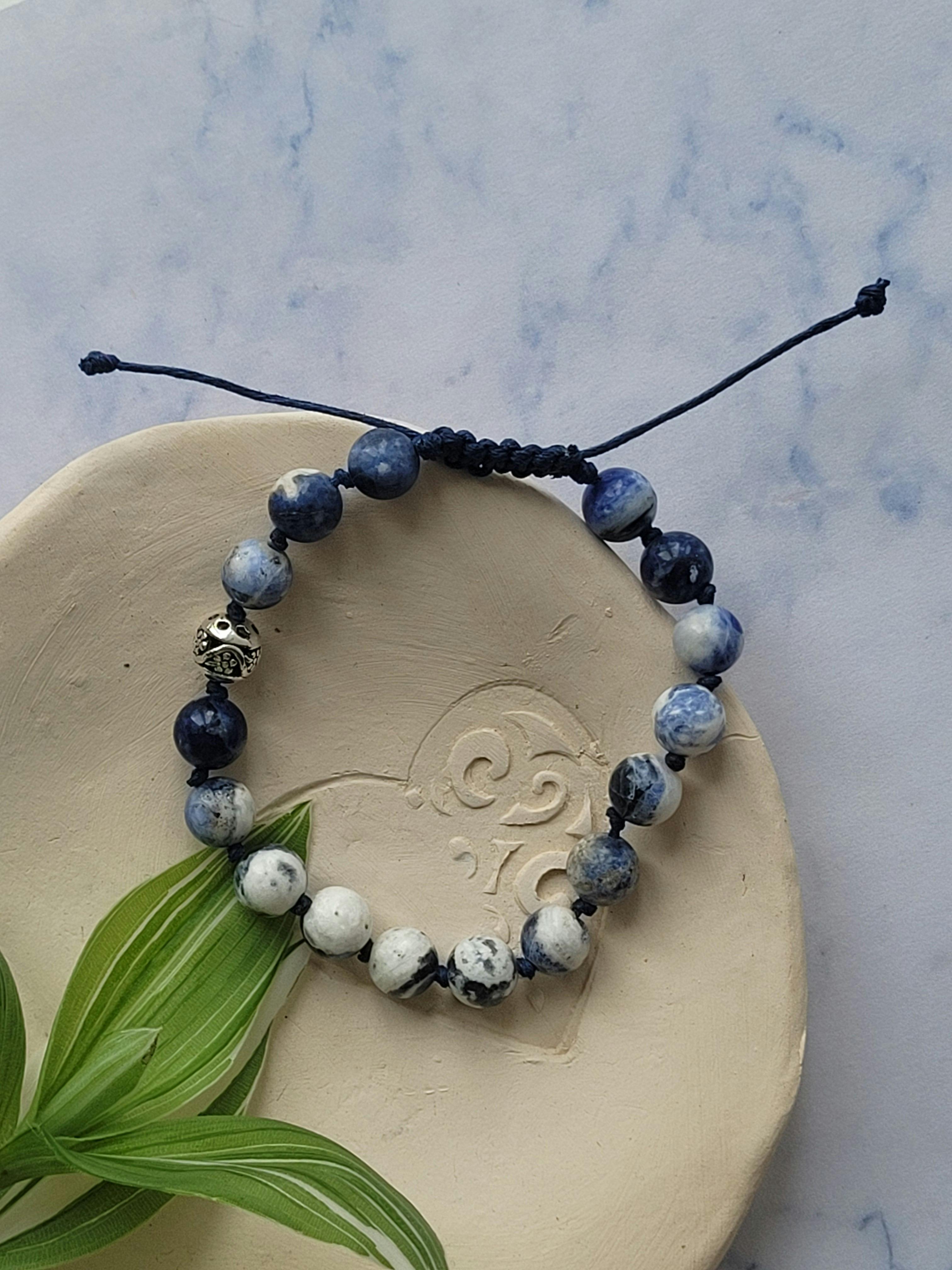
Wearing a Lapis Lazuli bracelet is the secret to developing unshakeable self-confidence. In contact with the skin, this protective stone balances emotions, frees the throat chakra, and dissipates i...
Leave a comment
This site is protected by hCaptcha and the hCaptcha Privacy Policy and Terms of Service apply.